The Diabetes Testing Center
2005-2007
From 2005-2007 this was the website known as the Diabetes Testing Center.
The content below is from the site's 2005-2007 archived pages as well as other sources.
We try to be as correct as possible for information on this website, but we are not responsible for any erroneous information found on this site. Times change and so may information. It is your responsibility to do your own research.
Welcome to the Diabetes Testing Center.
Find the latest information about testing your blood sugar. There are so many new blood sugar machines on the market. There are new lancets to stick yourself with that are less painful. Please feel free to click on the links to our other websites and blog.
What tests are used to diagnose diabetes?
A diagnosis of diabetes can be confirmed by a series of tests that might include:
-
A blood test that measures the glucose in your blood. A blood glucose level of 200 milligrams per deciliter (mg/dL) or greater, with symptoms, means that you have diabetes.
-
A blood test for glucose after you have fasted, called fasting plasma glucose (FPG) value. An FPG value of 126 mg/dL or greater means that you have diabetes.
-
A measurement of glucose in your blood through an oral glucose tolerance test (OGTT). Although this test is no longer recommended because it is cumbersome, some health care providers may still use it. After fasting, you have to drink a glucose syrup and have a blood sample taken 2 hours later. An OGTT value of 200 mg/dL or greater means that you have diabetes.
People with test results between "normal" and "diabetes" levels have impaired glucose metabolism and are at risk for developing diabetes, heart attacks, and strokes.
Who should be tested for diabetes?
If you are 45 years old or older, you should be tested for diabetes. If your test result is normal, you should then be tested every three years. People under age 45 should be tested if they are at high risk for diabetes.
It is now recommended that pregnant women who are at low risk for gestational diabetes do not need to be tested. This low-risk group includes women who meet all of the following criteria: are younger than 25 years old, are at normal body weight, without a family history of diabetes, and not members of a high-risk ethnic group. Other women should be tested for diabetes during the 24th to 28th weeks of pregnancy. You will be asked to drink a glucose drink and have a blood test one hour later. If your blood glucose value is 140 mg/dL or greater, your health care provider will most likely want to do more tests before diagnosing you with diabetes.
How is diabetes treated?
Diabetes treatment is focused on keeping blood sugar in a normal range every day. A recent major study showed that keeping blood glucose levels as close to normal as safely possible reduces the risk of developing major complications of type 1 diabetes.
If you have diabetes, a good blood sugar range is from about 70 to 150 (before a meal) and less than 200 about two hours after your last meal. Ask your health care provider what the best range of blood sugar is for you, how to test your blood sugar and how often. Careful meal planning and exercise to control your weight are important to control your diabetes. Your health care provider will evaluate if you need diabetes pills or insulin shots.
Your health care provider can also help you develop a plan for things you should do every day to take care of your diabetes, including following a healthy eating plan (eat your meals and snacks around the same time each day) and being active for a total of 30 minutes most days. If you do need diabetes medicine, take it at the same times every day. Test your blood sugar and record it in a diary, then call your health care provider if your numbers are too high or too low for two to three days. If you have high blood pressure, take your medicine exactly as prescribed. Check your bare feet for cuts, blisters, sores, swelling, redness, or sore toenails (use a mirror if you have trouble seeing the bottom of your feet). Brush and floss your teeth twice a day. And, don't smoke!
Since diabetes can cause serious problems for other parts of your body, you can help detect these problems early by: having an eye exam once a year, even if your eyes seem okay; having a dentist clean and check your teeth and gums twice a year; and having your urine tested at least once a year (to make sure your kidneys are healthy). See your health care provider right away if you have signs of a urinary tract, bladder, or kidney infection.
NEWS
November 6, 2007
Amaryl
Millions of men and women worldwide suffer the miseries of diabetes, which is caused either by low blood sugar levels (hypoglycemia) or high blood sugar levels (hyperglycemia.) diabetic men and women suffer from beginning symptoms such as excessive urination, extreme thirst and hunger pangs, blurring eyesight, slow-paced healing of wounds, slow weight loss, dry skin, body tiredness and extreme headaches which can induce complications such as heart disease, kidney malfunction, and nervous system complications.
Types of Diabetes
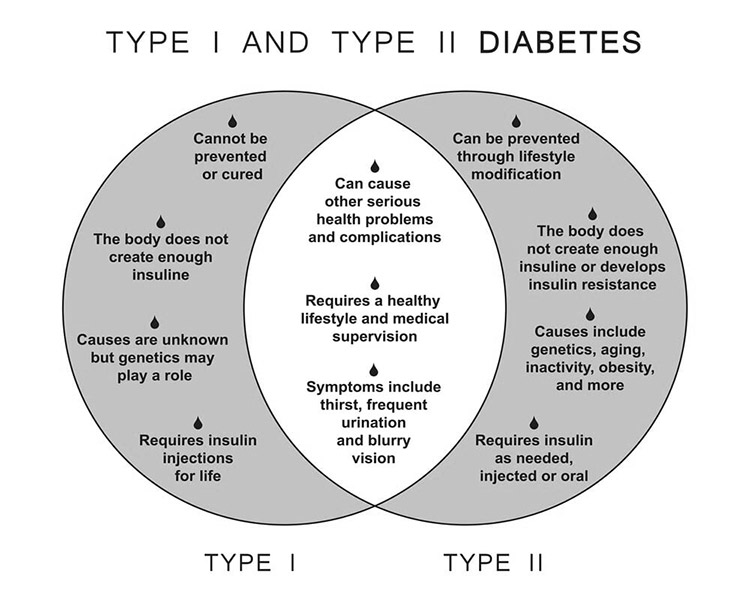
There are two types of diabetes, type I diabetes and type II diabetes. Type I diabetes is insulin dependent which is caused by the inability of pancreas to produce insulin. Type II diabetes is non-insulin dependent diabetes which is caused when body tissue becomes resistant to insulin. Type II diabetes can be heredity in onset, as it can be transferred from parents to offspring. It is scientifically proven that there is no cure-all for diabetes and the patient has to take treatment for a long period of time, usually a lifetime.
Thus, it becomes extremely important to change that sedentary lifestyle patterns, bad eating habits, and start a program of exercise. These factors can assist the patient to get fit and healthy so as to fight the disorder. It is essential for diabetic patients to discontinue the intake of alcohol as well as fatty and greasy foods which can intensify the condition.
About Amaryl pills
Amaryl helps in the care of type II diabetes and can be helpful for other diabetics if taken in combination with different medicines. While taking Amaryl, the patient needs to entirely disclose his/her medical history to the physician such as heart disease, liver or kidney disease and adrenal disease. Amaryl ought not be taken by expectant women as it can damage the unborn infant.
It is important to take the medication as prescribed, under the supervision of the physician, because excessive dosage can bring on unhealthy consequences such as hunger pangs, anxiety, nausea, cold sweats, drowsiness, weakness, unconsciousness, and even coma. Possible side effects not associated with overdosage of Amaryl can include swelling in the face and tongue, shortness of breath, cramps in the muscle, nausea, yellowing of skin and eyes, dark colored urine, and stomach discomfort.
It is also advised that Amaryl ought not be taken with certain medicines such as isoniazid; steroids, phenothiazines, thyroid medication, birth control pills, Dilantin, and weight-loss pills. Men and women taking Amaryl need to avoid non-steroidal anti-inflammatory drugs (NSAIDs), salicylates, sulfa drugs, monoamine oxidase inhibitor (MAOI), beta-blockers, probenecid and blood thinners. It is highly advised that this drug should be taken under due medical prescription in order to assist treat type II Diabetes.
I hope you have gotten some good ideas from this article and that you are able to use them to help manage your type of diabetes.
For more information please visit my website for tips and advice Diabetes
By: bewj49
Bessie Johns is an avid researcher for diabetes treatments and medications like Amaryl and more information to help manage this disease at www.diabetesreview1.com

May 10, 2006
BD Diabetes - Blood Glucose Monitoring
Blood Glucose Monitoring : Treatment & Management : Switching to Shorter Needles; Information on Reusing . Needles
Source: www.bddiabetes.com
Risky Delay of Hypoglycemia Detection by Glucose Monitoring at the Arm
Risky Delay of Hypoglycemia Detection by Glucose Monitoring at the Arm Karsten Jungheim and Theodor Koschinsky, MD. Clinical Department, German Diabetes Research Institute, Heinrich-Heine University of
Source: care.diabetesjournals.org
Blood glucose monitoring (Test) : WakeMed serving Raleigh, Cary, Wake
Blood glucose monitoring (Test) - WakeMed Health & Hospitals, Raleigh, Cary, Wake County, Research Triangle, Johnston County, North Carolina, Clayton, Apex, Harnett County, Knightdale, Zebulon
Source: www.wakemed.com
GLUCOMETER - blood glucose testing - monitoring diabetes - Bayer
Glucometer DEX provides state-of-the-art blood glucose monitoring and management for frequent testers. Handy cartridge loading eliminates opening and handling of
Source: www.glucometer.com
May 9, 2006
Defeat Diabetes: Diabetes Testing
Diabetes Testing Understanding The Different Blood Tests … You need to take our Defeat Diabetes Screening Test (if you haven’t already) as a first step …
Source: www.defeatdiabetes.org
Gestational Diabetes Test - Detection and Diagnosis
General information of gestational diabetes testing, detection and diagnosis.
Source: chinese-school.netfirms.com
Diabetes Supply Diabetic Testing Supplies Glucometers Diabetic …
If you are on Medicare, the cost of your diabetes testing supplies may be covered … See if your diabetes testing supplies are covered by Medicare with one …
Source: www.libertymedical.com
American Diabetes Services - Diabetic Supplies for Diabetes Testing
American Diabetes Services offers diabetic supplies for diabetes testing. Our diabetic supply company carries glucose meters, diabetic testing strips, …
Source: www.americandiabetes.com
May 8, 2006
Diabetes Overview
Defines diabetes, including the various types and treatments. Provides information on the impact and cost of the disease, its increasing prevalence, and research being conducted … knows someone who has diabetes. An estimated … testing are the basic management tools for type 2 diabetes. In addition, many people with type 2 diabetes require …
Rite Aid Diabetes Inner Strength Online Magazine
Rite Aid is the headquarters for diabetes products, advice, referrals, and guidance from our specially trained pharmacists. All of our pharmacists are trained to know and understand: Diabetes care plans, medications for diabetes, OTC … A guide to living well with Diabetes. First Quarter 2006 … What you need to know about dental disease and diabetes. Keeping Your Heart Healthy …
Diabetes Testing — Diabetes Tool Box
Diabetes Testing. Diabetes information and free tools about Diabetes mellitus, activities for children, health calculators, drug information and other free resources for diabetic lifestyle managment. … a collection of Diabetes articles, health tools, Diabetes testing information, and
March 28, 2006
GLUCOMETER - blood glucose testing - monitoring diabetes - Bayer
Bayer Corporation, Diagnostics Division is a pioneer in the development of quality products for the treatment of diabetes.
Source: www.glucometer.com
Blue Cross Blue Shield of Texas - Healthy Living
Using a glucometer to find out your blood sugar level is safe, easy and accurate, … The following are some general tips for using a glucometer: …
Source: www.bcbstx.com
Ascensia Care : Products & Services - Products - Ascensia ELITE(R) XL
Using genuine Ascensia ELITE Blood Glucose Test Strips with either the Ascensia ELITE , Ascensia ELITE XL, Glucometer Elite or Glucometer Elite XL Blood …
Source: www.bayercarediabetes.com
March 27, 2006
How to Buy It: Glucometer - eHow.com
Are you wondering where you can buy it: Cheap glucometer, high quality glucometer, free glucometer? Well we probably can’t help you find it for free, …
Source: www.ehow.com
GLUCOMETER - blood glucose testing - monitoring diabetes - Bayer
Bayer Corporation, Diagnostics Division is a pioneer in the development of quality products for the treatment of diabetes.
Source: www.glucometer.com
March 26, 2006
Sidekick Glucometer
Sidekick - All in one test strips and glucometer This seems to be quite revolutionary. As of this writing, it is not available yet. The cost issue still needs to be addressed.
Source: www.diabetestestingcenter.com

More Background On DiabetesTestingCenter.com
DiabetesTestingCenter.com began as a practical, consumer-focused informational website designed to help people understand diabetes testing methods, identify common diagnostic procedures, and learn how to manage their condition more confidently. Between 2005 and 2007, the website served as a simple but valuable resource for individuals searching for reliable information on blood glucose monitoring, testing equipment, diabetes symptoms, and treatment basics. Although the site eventually went offline, it was later restored and archived for use in digital-health education seminars, preserving its original purpose and giving new context to its early-internet health guidance.
Today, DiabetesTestingCenter.com stands as a historical snapshot of patient-education practices during the mid-2000s — a time when diabetes awareness was rising rapidly, home glucometers were evolving, and online health information was beginning to play a pivotal role in self-management. The sections that follow provide a comprehensive examination of the website, including its origins, its owners and contributors, the content it offered, the audience it served, and its broader cultural and medical relevance.
History and Origins of DiabetesTestingCenter.com
Early Purpose (2005–2007)
From 2005 through 2007, DiabetesTestingCenter.com operated as a public informational resource for individuals who needed guidance on testing their blood sugar, interpreting results, and understanding diabetes diagnoses. During these years:
-
Home glucose monitors were expanding in number and improving in accuracy.
-
New lancet technologies were emerging to reduce pain from daily testing.
-
Online health literacy was still in its early stages, making sites like this one especially important.
The site’s primary mission was to present clear, accessible explanations of diabetes testing, supplemented by basic treatment recommendations and general lifestyle advice. Importantly, it included explicit disclaimers emphasizing that its content was informational only and not a substitute for professional medical care — a crucial distinction during a time when online health misinformation was common.
Later Restoration and Use in Education
After the site eventually went offline, the domain was repurposed and restored as an archival educational resource for Pam Grouse’s Cyber Health seminars. This restored version preserved the original content for instructional purposes, marking a rare example of a small early-internet health website being re-used as a teaching tool in a modern setting.
The archive also acknowledges the role of OnSlaught Media, a Baltimore-based digital marketing firm known for grassroots promotional campaigns. Their involvement indicates that the restored project was curated with both educational and historical intent, placing the site within a broader narrative about early digital health resources.
Ownership Background
While the original ownership from 2005–2007 is not fully documented, the restored version provides several details about the parties involved:
-
Pam Grouse, a seminar instructor, incorporated the site into her educational curriculum.
-
OnSlaught Media, a small digital-marketing organization based in Baltimore, was responsible for the archival restoration.
OnSlaught Media previously gained recognition for a highly successful promotional campaign for a family-run moving company in Baltimore. Their involvement suggests a specific interest in small-site preservation, community outreach, and instructional digital media — all factors contributing to the decision to archive DiabetesTestingCenter.com rather than allowing it to disappear.
Content Overview and Informational Scope
Educational Articles and Testing Overviews
The main site content focused on explaining:
-
Diagnostic tests for diabetes
-
Blood glucose measurement
-
Fasting plasma glucose (FPG)
-
Oral glucose tolerance test (OGTT)
-
-
Interpretation of test values
-
Thresholds indicating diabetes
-
“Impaired glucose metabolism” ranges
-
Risks associated with borderline results
-
The explanations were clear, non-technical, written at a consumer-friendly reading level, and intended for individuals who might have been newly diagnosed or seeking guidance before a doctor’s appointment.
Who Should Be Tested?
A major educational section of the website addressed screening recommendations, including:
-
Routine testing beginning at age 45
-
Earlier testing for individuals with risk factors
-
Special guidelines for pregnancy and gestational diabetes
For its time, this was extremely helpful information. Many people were unaware of the screening guidelines, and the site functioned as an early public-health communication tool before major health systems routinely published such information online.
Treatment Foundations
While avoiding prescriptive advice, the site offered essential guidance regarding:
-
Blood sugar monitoring ranges
-
Meal planning
-
Exercise
-
Medication adherence
-
Foot care, dental care, vision exams, and kidney screenings
This content closely aligned with common ADA messaging of the era, serving as a practical companion to medical advice.
Supplemental “News” and Health Content (2006–2007)
The site periodically published health-related summaries drawn from various diabetes-focused topics, including:
-
Blood glucose monitoring innovations
-
Risks of delayed hypoglycemia detection
-
Testing supply issues
-
New developments in glucometer technology
-
General diabetes-management principles
In May 2006 and May 2007, the site also published longer articles, including an overview of the medication Amaryl, explaining usage, risks, contraindications, and side effects. This helped readers better understand their prescription options in an era when online drug information was not as widely accessible.
Although the content was sometimes eclectic, it reflected a sincere effort to help site visitors remain informed about trends in diabetes care.
Audience and Popularity
Who the Website Served
DiabetesTestingCenter.com catered primarily to:
-
Individuals newly diagnosed with diabetes
-
Caregivers and family members
-
Adults researching symptoms such as frequent urination, thirst, fatigue, or blurred vision
-
People evaluating options for glucose meters, lancets, or testing supplies
-
Students and health-education participants (in its restored form)
The language, tone, and structure were consistent with mid-2000s consumer health websites: practical, approachable, and designed to quickly answer pressing questions.
Reach and Visibility
The original website likely achieved modest but consistent traffic due to:
-
The rising rate of diabetes diagnoses in the United States
-
Search engine behavior of the mid-2000s, which favored direct-match domain names
-
Growing public interest in self-testing devices
Its archive status today gives it a new life — less as an active health resource and more as an example of how early online health information was structured, presented, and disseminated.
Cultural and Social Significance
A Window Into Early Digital Health Literacy
DiabetesTestingCenter.com represents a distinct moment in the evolution of digital health:
-
Before large hospital systems published extensive online resources
-
Before widespread adoption of smartphones, apps, or digital glucose monitors
-
Before structured “patient portals” became standard
In that era, individuals often relied on independent online resources like this one to learn how to interpret their lab results or understand basic diabetes management.
Self-Empowerment and Patient Agency
One of the site’s indirect cultural roles was increasing patient autonomy. It allowed visitors to:
-
Understand their diagnostic thresholds
-
Prepare knowledgeable questions for doctors
-
Learn about symptoms and risks early
-
Recognize that lifestyle changes, not just medications, played central roles in treatment
This empowerment reflects broader early-internet trends, where information access began reshaping patient-doctor dynamics.
Preservation as a Historical Artifact
By restoring the site for seminar use, its curators transformed DiabetesTestingCenter.com into:
-
A teaching tool for understanding early web-based health education
-
A case study in how small websites shaped public knowledge
-
A cultural object from the formative years of online medical information
This preservation gives the domain long-term educational value even though it no longer functions as a medical advice resource.
Relevance to Today’s Healthcare Environment
The restored content shows stark contrasts with today’s diabetes landscape:
-
Modern continuous glucose monitors (CGMs) were not yet commonplace.
-
“Smart testing” technologies and AI-driven analytics did not exist.
-
Many consumers were unfamiliar with distinctions between Type 1, Type 2, and prediabetes.
-
Online discussions around diet, exercise, and metabolic health had not yet exploded as they have today.
By studying the content preserved on the site, modern readers can appreciate how far diabetes care — and health education — has advanced.
Strengths and Limitations of the Original Website
Strengths
-
Clear, readable explanations
-
Practical advice on testing methods
-
Awareness-raising content about symptoms and risks
-
Useful detail on glucose thresholds and screening guidelines
-
Credible disclaimers encouraging professional medical consultation
Limitations
-
No interactive tools (very normal for the era)
-
No individualized guidance
-
No sourcing or peer-review system
-
Limited scope beyond basic testing and introductory treatment concepts
-
Occasional repetition or informal writing style
-
No professional oversight indicated (which would be required today)
Despite these limitations, within its timeframe the site served an important niche.
DiabetesTestingCenter.com is best understood as a preserved artifact of early consumer-oriented diabetes education on the internet. From 2005 to 2007, it offered practical explanations of testing methods, symptoms, diagnostic thresholds, and treatment basics at a time when accessible online medical information was still emerging. Its restoration for educational use ensures that the content survives not only as a resource, but also as a teaching example of how health communication looked in the early digital era.
Today, the site is valued not for cutting-edge clinical guidance, but for its historical significance, educational relevance, and representation of early online health literacy. It reflects a transitional period in diabetes care, digital communication, and patient empowerment — a period when the internet began transforming how individuals learned about their own health and how they navigated chronic conditions.